



When Music Becomes a Meeting Place: A look at Community Music Therapy for Seniors & Older Adults
October 19, 2026
There are moments when words feel hard to find—after a stroke, in the fog of memory loss, or in the quiet loneliness that can come with aging. But often, a familiar melody still lands. A rhythm still invites a hand to tap along. A group chorus still makes room for someone to belong.
Why connection and belonging matter as we age
Belonging isn’t only about being surrounded by people—it’s about feeling welcomed, included, and seen. For many seniors and adults living with health challenges, isolation can quietly grow due to mobility changes, cognitive decline, anxiety, depression, or the loss of a social circle.
Community music therapy offers something unique: a safe place for shared emotional experiences. In a group setting, music creates an immediate common ground—no introductions required. Participants can join in at their own comfort level, whether that means singing, playing an instrument, or simply listening.
Building community through musical moments
At Silver Harbour Seniors’ Activity Centre in North Vancouver, they serve older adults across North and West Vancouver, with outreach that intentionally includes seniors who may be more physically frail, isolated or lonely, living with lower incomes, or experiencing barriers to participation such as mobility challenges or dementia.
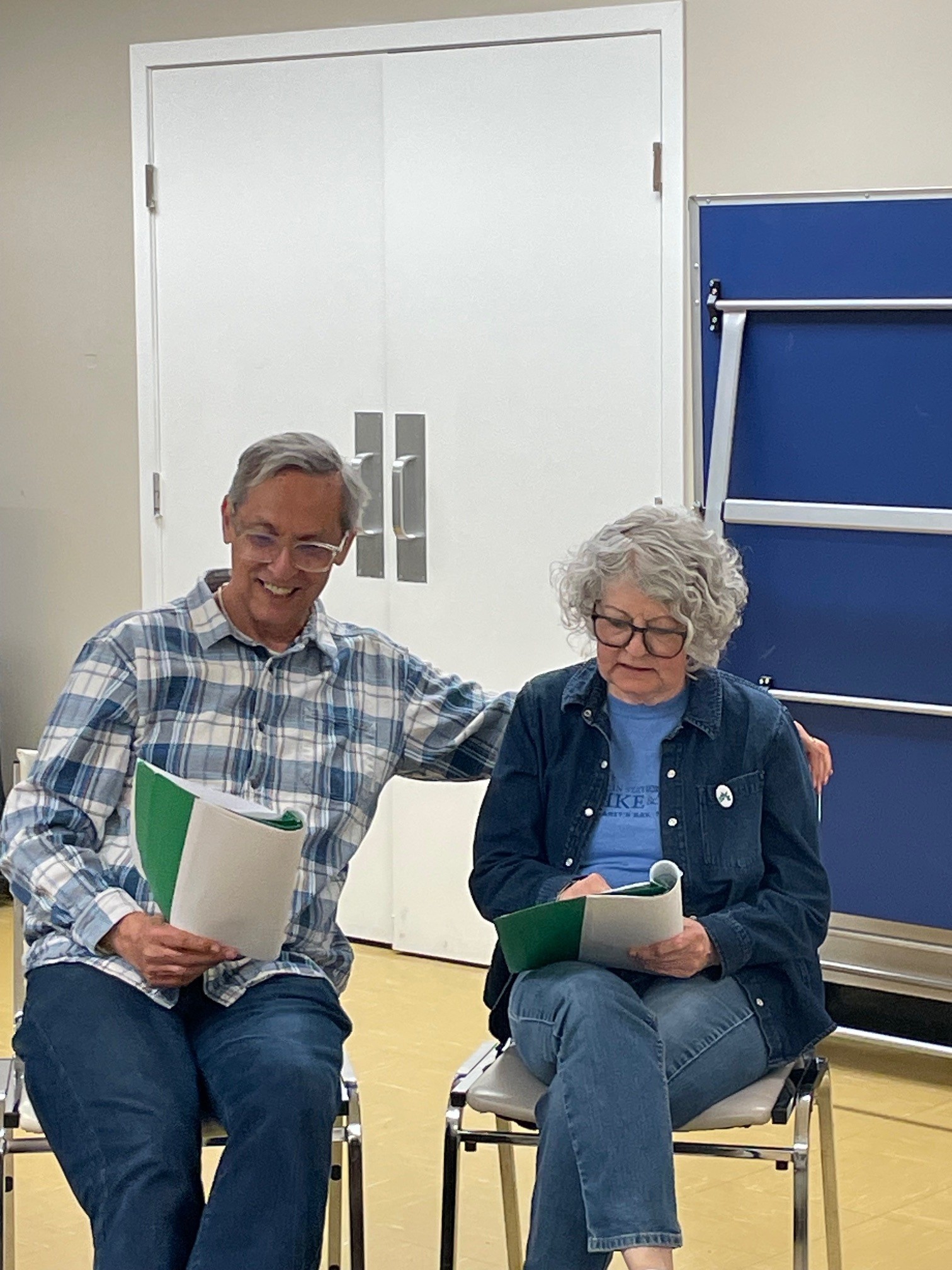 Tobias and Marsha, Music Therapy Participants at Silver Harbour Seniors’ Activity Centre
Their music therapy programming includes:
- Musical Journey
- Beginners Therapeutic Ukulele
- Advanced Therapeutic Ukulele
These group sessions make room for self-expression and creativity—while also supporting emotional wellbeing by reducing anxiety, depression, stress, and loneliness.
But like many community programs, funding can be the difference between momentum and interruption. When sessions go on hiatus, it doesn’t just pause an activity—it can disrupt routines, relationships, and hard-won feelings of confidence.
With continued funding support, Silver Harbour aims to offer programming more regularly and grow participation from 57 to 80—creating more chances for seniors to meet one another, laugh together, and feel part of something ongoing.
Reconnecting after stroke
After a stroke, people can experience profound changes—speech and language challenges, reduced mobility, and a deep sense of disconnection from life as it used to be. The North Shore Stroke Recovery Centre’s vision is “a community without barriers for survivors of stroke,” and music therapy plays an important role in that mission.
Music therapy at NSSRC is delivered in a group format and tailored to stroke survivors with a focus on:
- speech and language support
- emotional expression
- social connection
Sessions may include singing familiar songs, rhythmic exercises, and instrument playing—activities designed to stimulate language areas of the brain, support motor coordination, and reduce isolation.
In 2024 we had the opportunity to film a session at NSSRC, click here to watch that video.
Music Heals has supported NSSRC’s music therapy program for the past seven years, and we’ve witnessed sustained growth through that continuity. Recently, the program expanded to a bi-weekly schedule—running every Thursday in North Vancouver and every other Monday in West Vancouver—helping more people access support closer to home.
How music therapy creates belonging
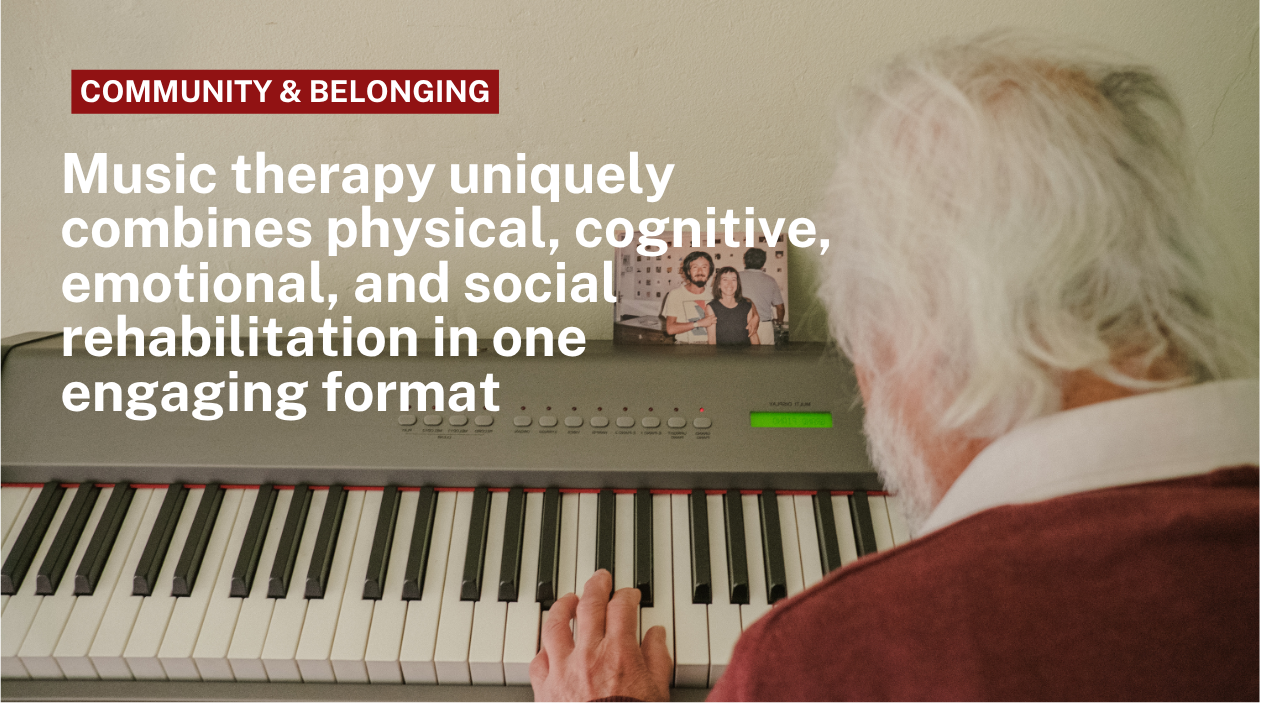
Music therapy uniquely combines physical, cognitive, emotional, and social rehabilitation in one engaging format. But beyond the clinical outcomes, it does something quieter—and just as important.
It turns a room into a community.
In these sessions, participants share memories sparked by a song. They try something new and feel a sense of accomplishment. They witness one another’s progress. They show up again—and start to expect that they’ll be welcomed.
For seniors, that consistent invitation can be the start of renewed confidence and connection: I can still contribute. I can still learn. I’m still part of something.
Music Heals exists to increase access to music therapy across BC and Canada, raising awareness and funding for the therapeutic use of music in physical and mental health settings. Over time, we’ve seen again and again that certified music therapy isn’t just “nice to have.” It can be a lifeline—supporting emotional wellbeing, strengthening relationships, and helping people feel part of a collective we.
Click here to learn more about the programs we fund or click here to make a donation