



Music Therapists use different approaches to meet people where they are
November 5, 2026
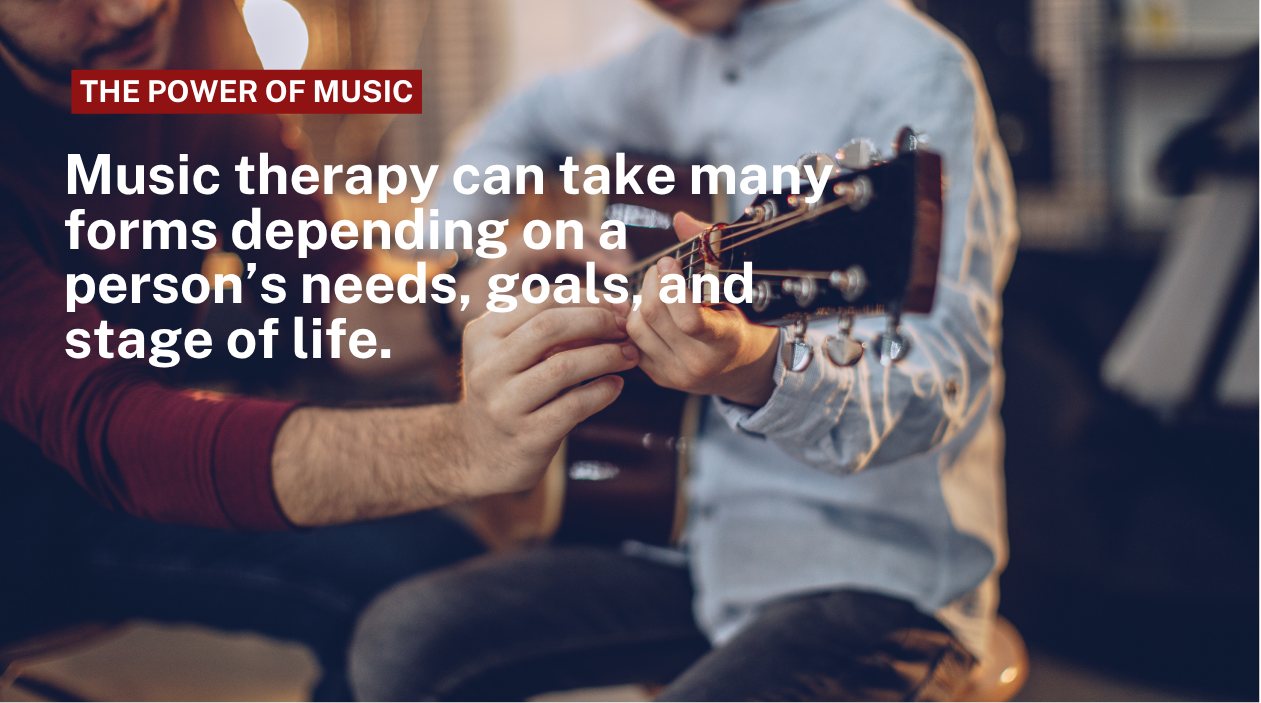
Music therapy can take many forms depending on a person’s needs, goals, and stage of life. Whether someone is seeking comfort, connection, emotional expression, or cognitive rehabilitation, music therapists use different approaches to meet people where they are.
From listening and reflection to active participation, music therapy is not one-size-fits-all. Its versatility is part of what makes it so powerful – adapting to people across all ages, abilities, and life circumstances to support healing in deeply personal ways.
1. Listening: Finding Comfort, Memory, and Connection
Sometimes, simply listening to music can be deeply therapeutic. Guided music listening can help reduce anxiety, provide comfort, and create meaningful emotional experiences. For seniors in palliative and long-term care settings, familiar songs can spark memories, encourage engagement and offer moments of connection even when verbal communication becomes difficult. For babies, particularly those in the NICU, lullabies and simple soothing music encourage early development, support nervous system regulation and strengthen bonds with parents and caregivers.
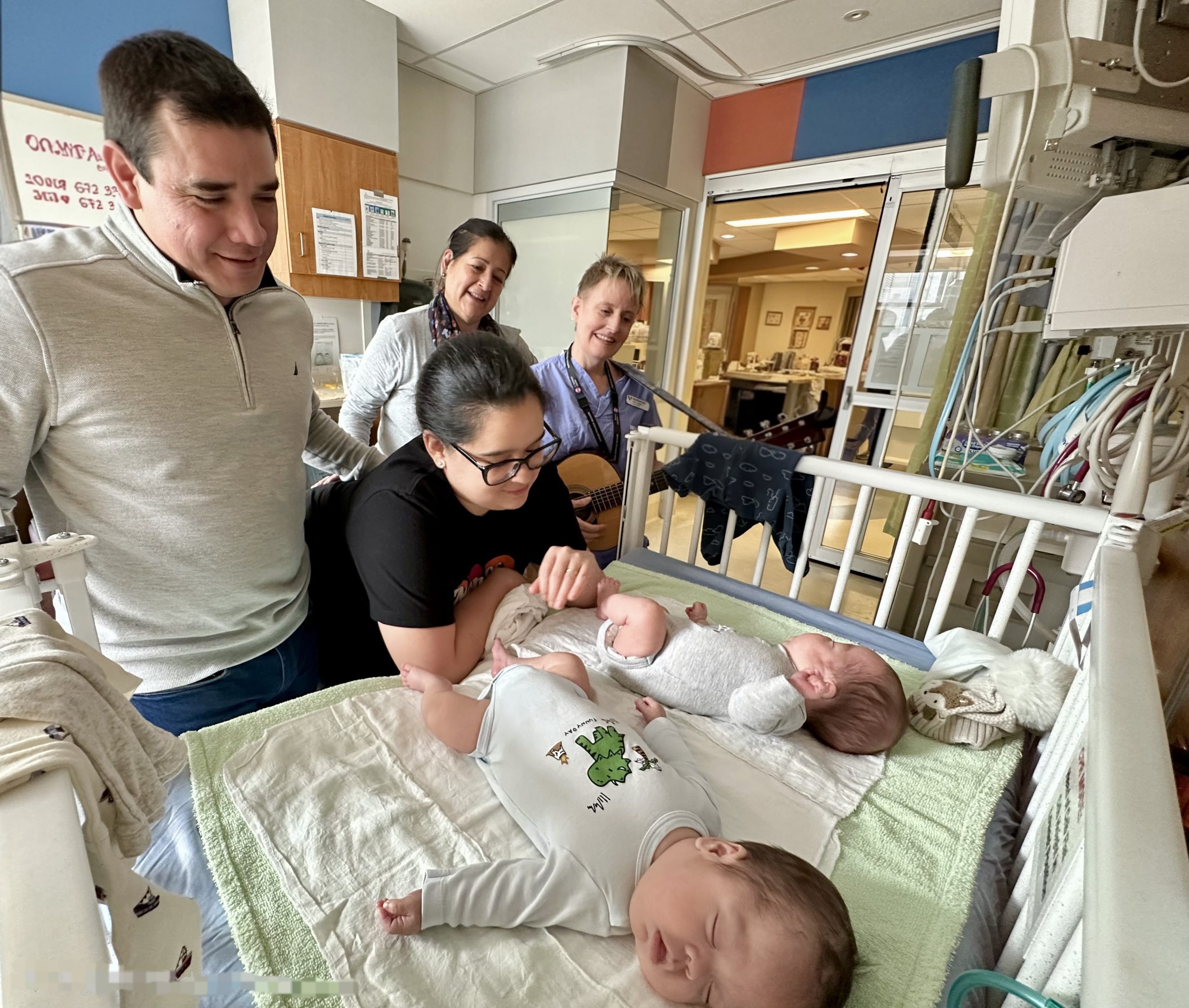 Music Therapy at Surrey Memorial Hospital NICU
2. Lyric Analysis and Song Discussion: Processing Emotions Through Words
Music can help people better understand themselves and their emotions. Through lyric analysis or song discussion, individuals can explore themes that reflect their own experiences, struggles, and personal journeys. This approach is often used across a wide range of mental health settings from youth to seniors, where music can foster connection, encourage self-reflection and support emotional processing. By discussing songs that resonate on a personal level, people may find it easier to navigate feelings and express experiences that might otherwise feel difficult to put into words.
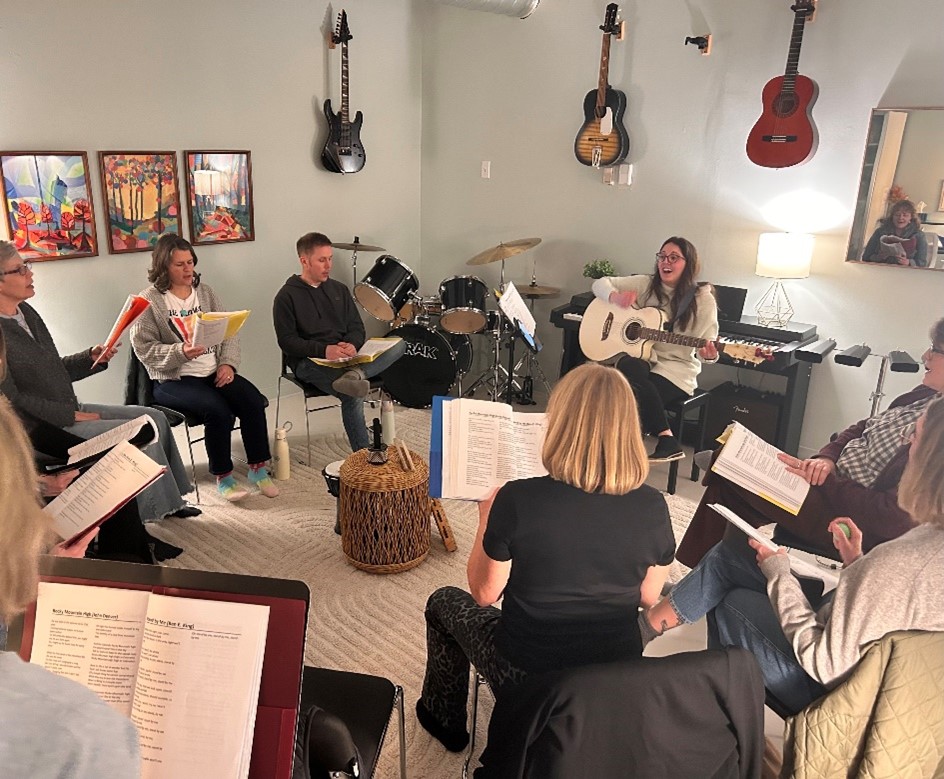 Music Therapy at Rotary Centre for the Arts in Kelowna
3. Playing Instruments and Improvisation: Building Cognitive and Emotional Skills
Actively creating music – whether through drumming, piano, singing, or other instruments – can stimulate the brain and strengthen cognitive function. This method is often used in rehabilitation settings to support motor skills, memory, coordination, and problem-solving. It is also widely used in childcare settings, where improvisation offers a safe, creative outlet for self-expression. Participating in making music can help children regulate their emotions while building confidence, communication skills and social connection.
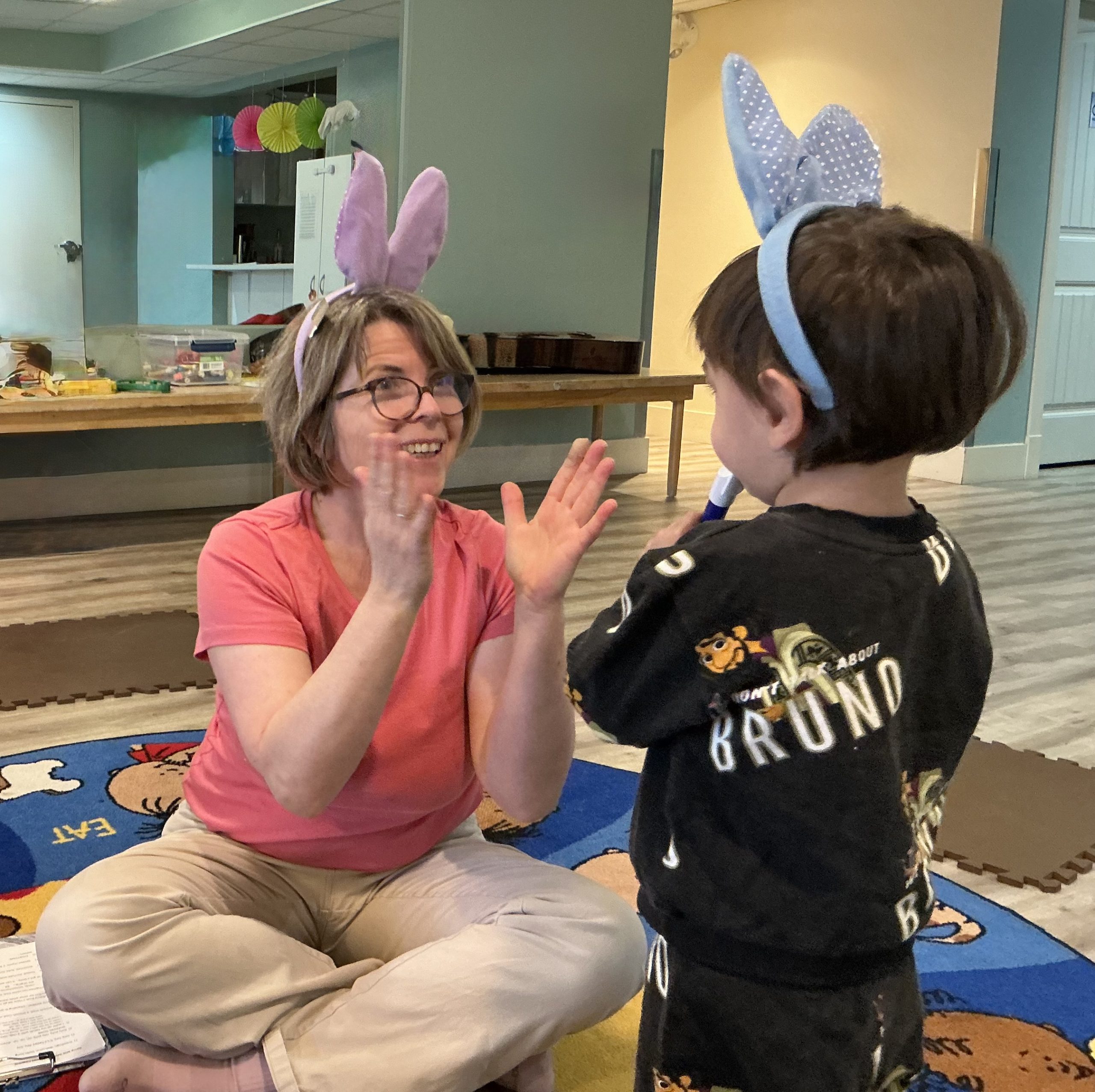 Music Therapy at Ridge Meadows Association for Community Living
Follow us on social media to learn more interesting facts about music therapy each week