




Behind the Documentary: Lessons from Music Therapy Sessions
June 29, 2026
Music has always been therapy for me – not in the clinical sense, but in the way certain songs could make me feel, say what I couldn’t, or hold memories and experiences I’ll never forget. I’ve always understood music as something deeply personal – a source of comfort, escape, or expression. But it wasn’t until my internship at Music Heals that I began to understand music not just as something we turn to, but as something that can be used intentionally, as a tool for healing.
My month at Music Heals felt like a crash course in music therapy. I interviewed multiple music therapists, explored a wide range of therapeutic methods and techniques, and researched the science behind the power music can have in clinical settings. So when the opportunity arose to create a documentary as a final project for my journalism program, I saw it as a chance to go beyond research – to witness first hand how music can help rebuild, reconnect, and recover.
Through Music Heals, my documentary team and I were able to connect with Charlford House Society for Women, an addiction recovery program, where we had the privilege of meeting their music therapist Rebecca Barr and the women in recovery she supported.
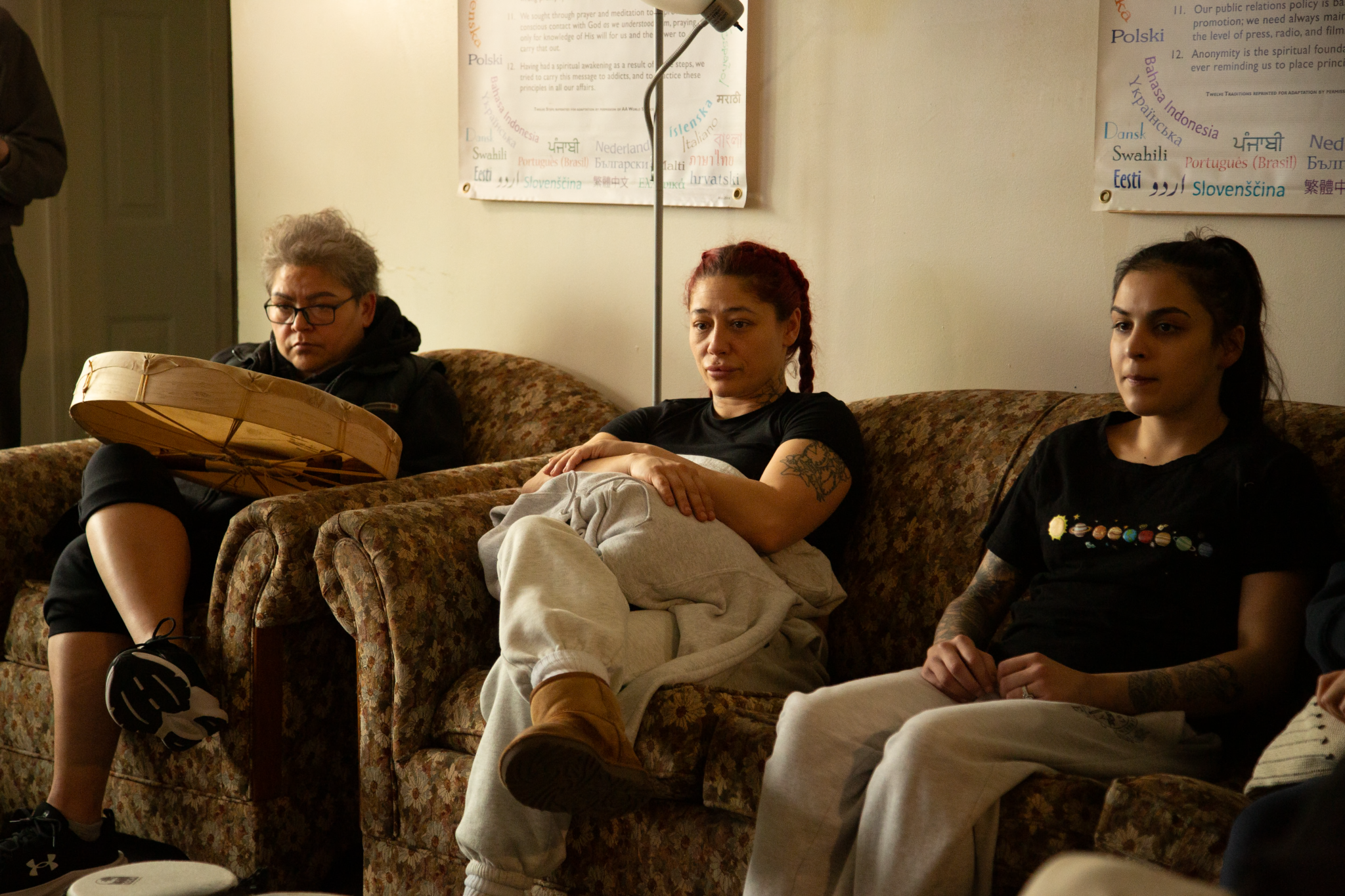 Music Therapy Participants, Charlford House
Over the course of three weeks, we filmed music therapy sessions, conducted interviews, and got to know the women in the program. We were incredibly grateful for the trust and access we were given, and the experience offered us something far greater than footage: it gave us invaluable insight into music’s role in healing.
By the end of those three weeks, I hadn’t just learned more about music therapy – I had gained an entirely new perspective on healing itself. Sitting in those sessions taught me lessons that extended far beyond music, revealing truths about creativity, identity, and resilience. These are the lessons I learned from my experience, and stories of the women who inspired them.
“I hadn’t just learned more about music therapy – I had gained an entirely new perspective on healing itself. Sitting in those sessions taught me lessons that extended far beyond music, revealing truths about creativity, identity, and resilience.
1.There isn’t one path towards healing.
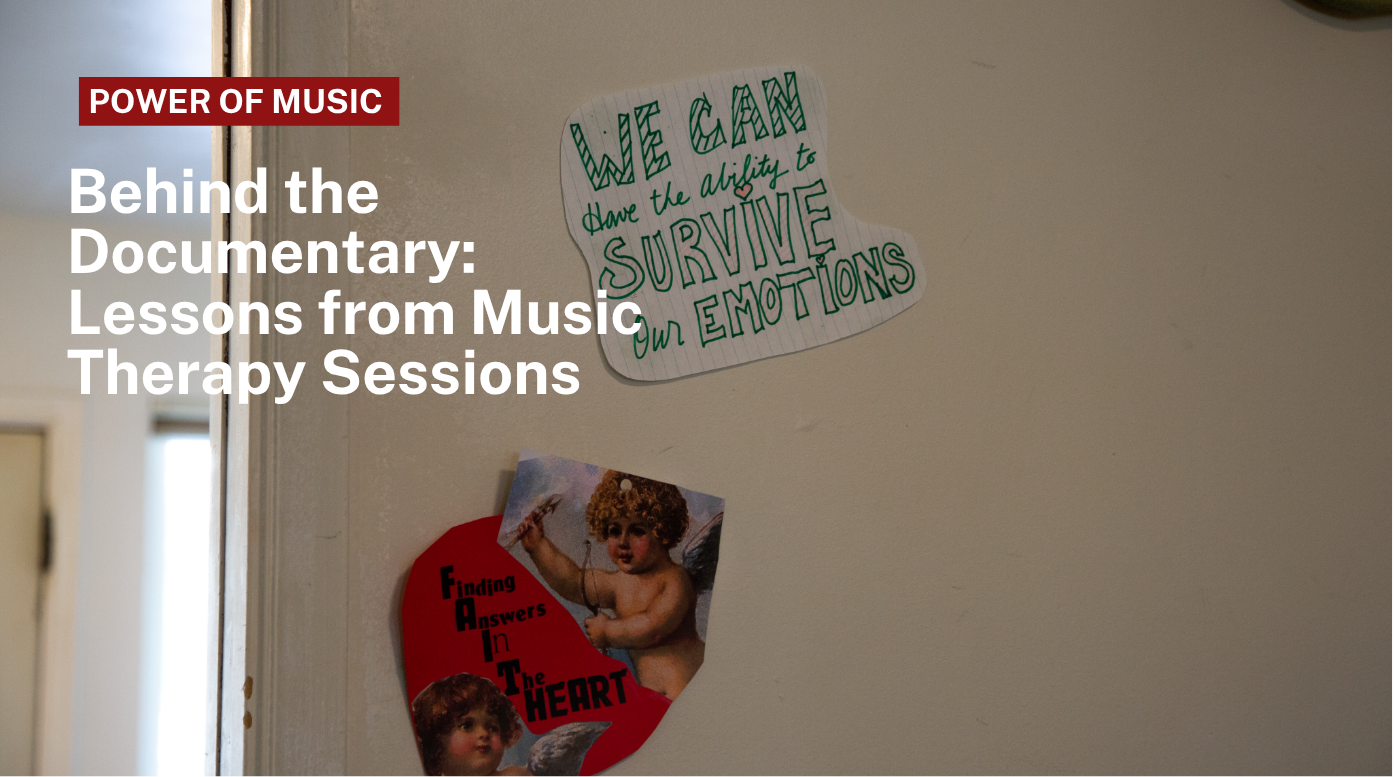
Walking into Charlford House for the first time, I was met by walls layered with words – words of affirmations, principles of recovery, daily schedules, sign up sheets. It wasn’t until then that I fully understood that recovery wasn’t a single path, but an entire system; a mosaic of methods, structures and support working together to move you forward.
Before this documentary, I think part of me unconsciously viewed recovery the way many people do – as a destination people work toward through willpower alone. But being there challenged that perception almost immediately. It was clear the women of the house were supported in many ways. Recovery was woven into every part of the environment: in routine, in accountability, in community, and most distinctly, in the music therapy sessions that enlivened the living room every week.
2. No matter who you are or where you come from, music is a part of your story.
The first music therapy session I took part in was a group session, where I sat in a circle amongst the residents as the Music Therapist, Rebecca guided us through song. Looking around the room, I saw women of different ages, backgrounds, and life experiences – each carrying her own wounds, her own hopes, and her own reasons for being there. Yet despite those differences, one constant remained: their relationship to music.
I was moved listening to each woman’s story and learning about the unique ways music has shaped their lives. Some lit up as they raved about their favourite artists or songs that had carried them through difficult times. Others reflected fondly on their musical backgrounds of singing, dancing, or playing an instrument as forms of expression, escape or joy. Stories came up of friends, family, children, and the connections music had fostered.
Hearing their stories cemented what I knew to be true, but now understood more deeply: that music belongs to us all. Not because everyone experiences it the same way, but because nearly everyone carries some relationship to it. Whether through a song tied to a memory, an artist who made us feel understood, or a melody that offered peace in chaos, music finds a way of leaving its mark on our lives.
“Hearing their stories cemented what I knew to be true, but now understood more deeply: that music belongs to us all.”
3. Creative expression can help people find their way back to themselves.
One exercise Rebecca often used during group sessions was a game called “Guess Who”, where each woman submitted a song that felt meaningful to her. Rebecca would play one of them out loud, and the group would try to guess whose song it was.
On the surface, it felt lighthearted – a fun game to play to engage the room. But watching it unfold revealed something much deeper. Each song choice was an act of self-expression, a glimpse into their personality, memories, and experiences. In sharing music, the women were able to share pieces of themselves with one another that they may not have been able to with words alone, and foster a bond as a group.
It also felt empowering. In recovery, where so much of life can revolve around structure, rules, and routine, the opportunity to choose something personal felt liberating. It made space for individuality – a reminder that each woman was more than her circumstances, her addiction, or her recovery journey.
Shelby, one of the two women we highlighted in our documentary, was a beautiful reflection of this sentiment. While her song wasn’t chosen in the Guess Who game, it was heartening to watch her in the group session. In her interview prior, she shared that people would often tell her that she looks like a little kid during music therapy; smiling widely, laughing, and moving freely. Music seemed to reconnect her not only with joy, but with her inner child, a version of herself untouched by hardship.
For Shelby, and the women alongside her, the sessions offered not only a space for self-expression, but a pathway to explore their identities and reconnect with themselves.
4. It’s never too late to start, and it’s okay to start over.
One of the most powerful things Charlford House showed me was that it’s never too late to start over. Each woman in the house was at a different stage – not only in their recovery, but in their lives. Some were nearing their 90 days, and others had just arrived. They all had different circumstances, histories, and reasons for being there, but they shared something profound: each of them knew what it meant to start anew, and the courage it takes to pick yourself back up again.
Being there made me realize that starting over is often misunderstood. It can often look like failure from the outside, as if starting over means something was lost. But what I witnessed there was far from that. Starting over wasn’t about erasing the past, it was about reclaiming the future. It was an act of resilience, of hope, and of trusting in yourself to do what’s best for you.
Sarah, another one of the women featured in our documentary, embodied this in a way that stuck with me. At the time, she was close to graduating from the program, standing on the edge of a new chapter. She allowed us to document her one-on-one session with Rebecca, and we watched as the two sat side by side at the piano, improvising together in a heartwarming duet.
What made that moment especially moving was learning that Sarah had only begun playing the piano after arriving at Charlford. Though she had always carried an emotional connection to the instrument – from childhood memories of listening to her father play – it was in recovery that she gave herself a chance to begin. Through music therapy, something once only tied to memory became something tangible in her life, and entirely her own.
By the time we met her, learning piano was no longer just part of a therapy session; it had become part of how she envisioned her future. Sarah told us she planned to buy a keyboard of her own – a decision that felt symbolic of something much larger. She wasn’t simply learning to play an instrument; she was investing in herself, and in the possibility of who she could become next.
Observing Sarah, and all the women of the house, reminded me that it’s never too late to begin again, even after hardship. Healing shouldn’t only be centered around rebuilding what was lost, but also about discovering new parts of yourself that may have been waiting for you all along.
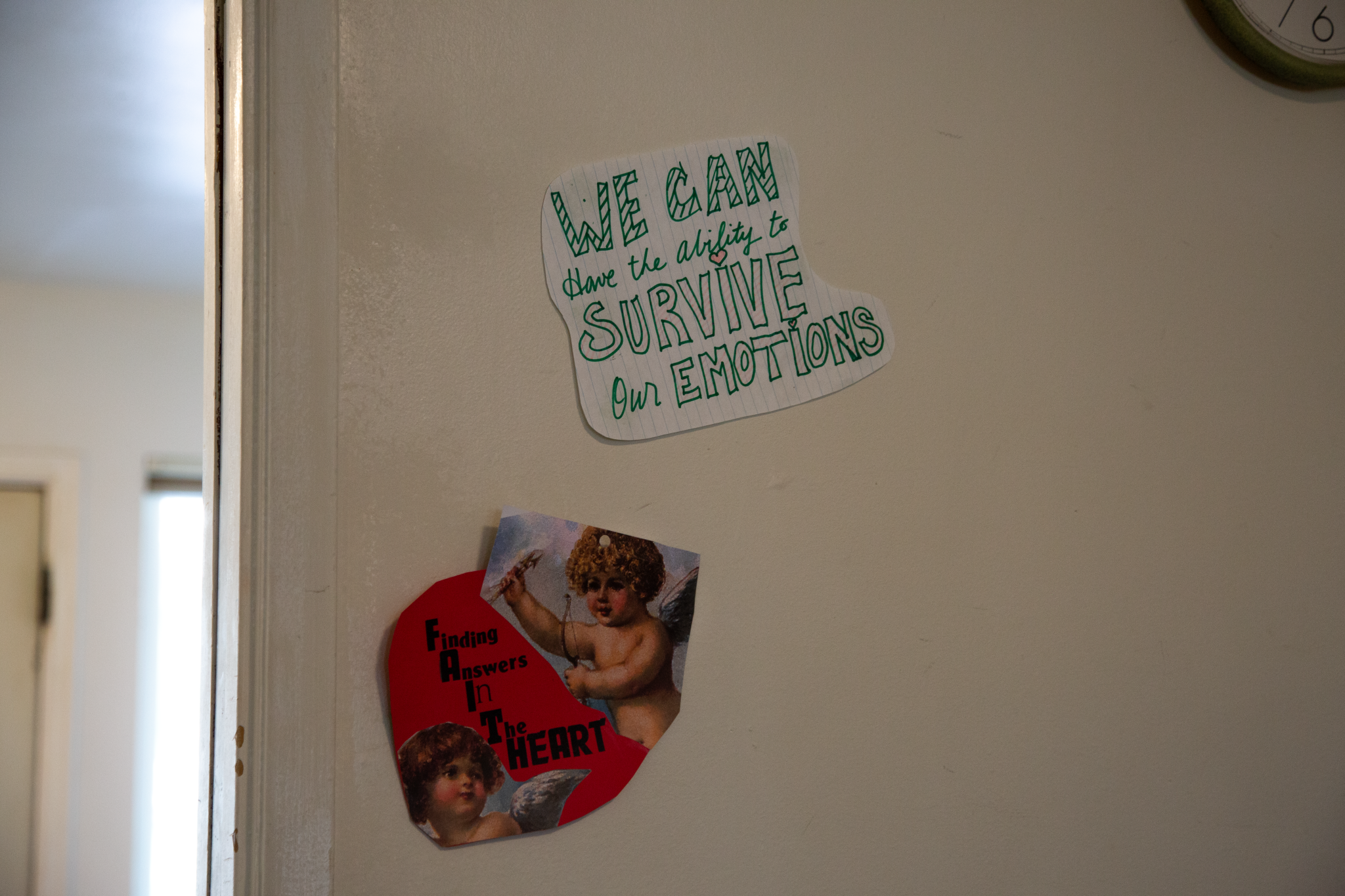 Charlford House
Looking Back
Before this experience, I understood music solely through the lens of my own life – a source of comfort, form of expression, collection of memories, and something to get lost in on my commutes. But sitting in those sessions completely transformed my view. I witnessed music become a vessel for healing, connection, and empowerment, in a setting I would have never before thought it would be used in. I saw how it could help people process trauma and emotions, rediscover joy, and reconnect with who they are beyond hardship.
What stayed with me the most was not just the power of music itself, but the resilience of the women who allowed my team and I into their stories. Through them, I came to understand music therapy in a way pure research could not. It showed me how it’s not simply about music, songs, or playing instruments, but about the breakthroughs and growth that music can unlock. More than anything, my time at Charlford House reminded me that even in life’s most difficult moments, music can help people find their way back to themselves.
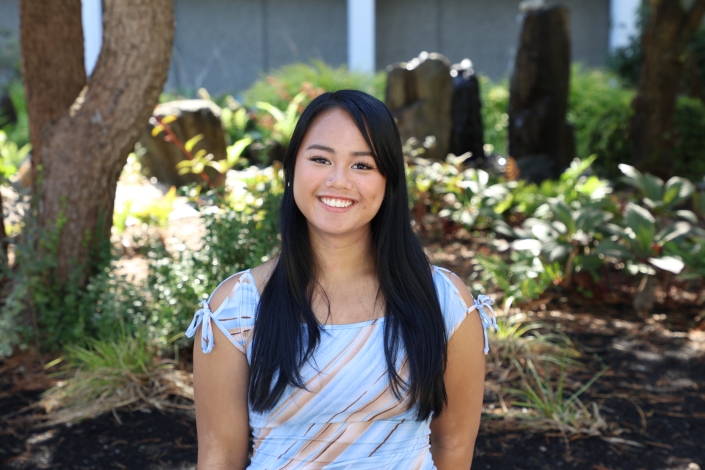 Orchid Solang, BCIT Journalism Intern
“I came to understand music therapy in a way pure research could not. It showed me how it’s not simply about music, songs, or playing instruments, but about the breakthroughs and growth that music can unlock”
–
Click here to watch the documentary and explore the team’s accompanying website, where you can learn more about the music therapy at Charlford House Society for Women.
Blog Article Written by: Orchid Solang, BCIT Journalism Intern